Background of the Case
The Patna High Court was considering a challenge to Canara Bank's action in auctioning a residential flat belonging to Rajani Ranjan Sahu, who had stood as a guarantor for a loan sanctioned in 2009.
The petitioner contended that the original loan arrangement was subsequently modified and additional financial facilities were sanctioned without his knowledge or consent. He argued that these material changes discharged him from his liability as guarantor and that the Bank had no authority to enforce the security against his property.
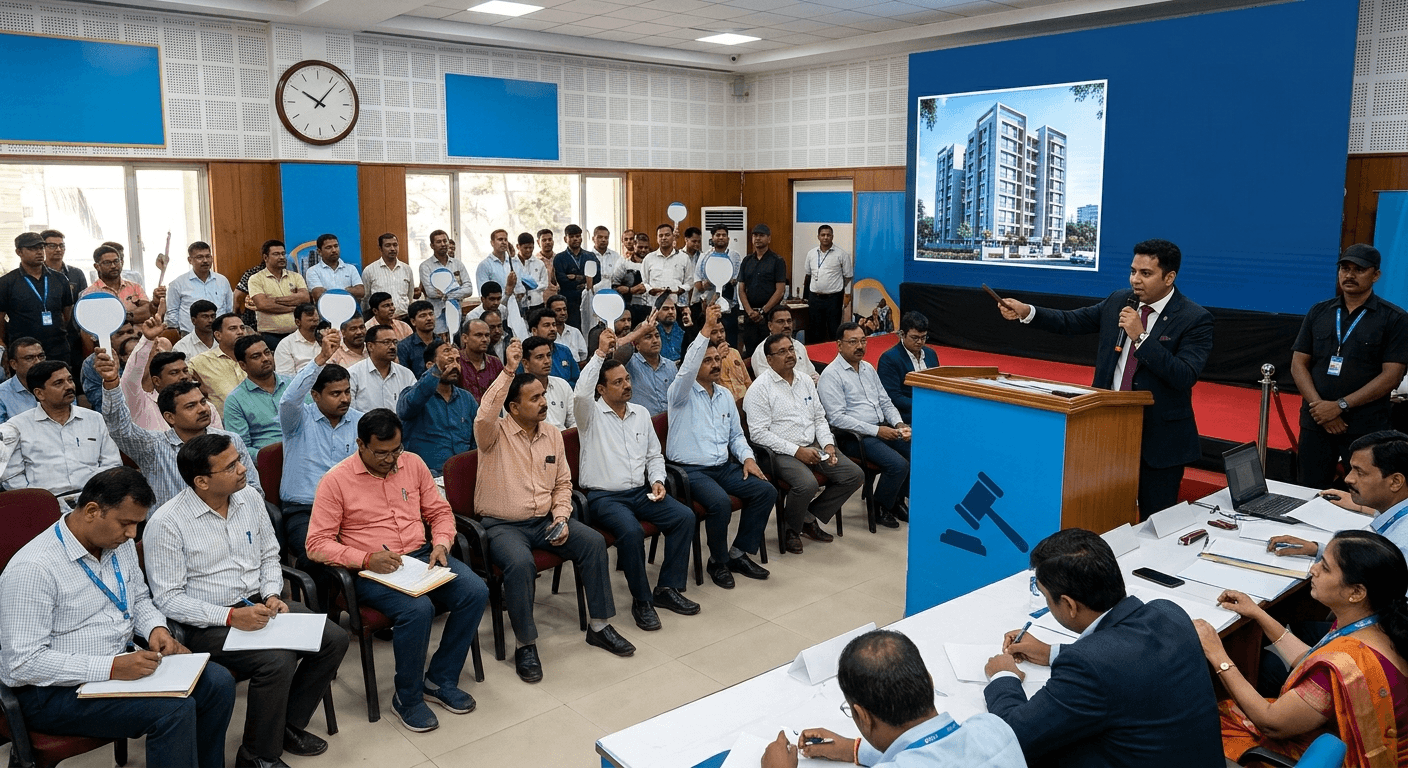
The petitioner also challenged the auction sale conducted in 2015, alleging non-service of mandatory statutory notices, undervaluation of the property and irregularities in the payment of the auction consideration.
Bank's Defence
Canara Bank maintained that the petitioner had never been formally discharged from his guarantee obligations and that his liability continued despite the subsequent restructuring of the loan.
The Bank also defended the valuation and auction proceedings, contending that the sale had been conducted in accordance with the SARFAESI Act. It further argued that the writ petition was not maintainable because the petitioner had an alternative statutory remedy under the Act.
Court's Observations
Justice G. Anupama Chakravarthy observed that the Bank had failed to produce any fresh guarantee executed by the petitioner covering the subsequently modified financial facilities.
The Court held that merely describing someone as a guarantor or co-obligant in banking documents would not establish that the person had consented to or guaranteed subsequently enhanced or restructured financial facilities.
The Court observed:
"In the absence of any cogent document evidencing the petitioner's consent to the altered financial arrangement or extending his guarantee to the subsequent facility, the action of the Bank in enforcing the security against the petitioner's property cannot be sustained merely on the basis of the original guarantee."
The Court also found serious irregularities in the auction proceedings. Against the successful bid of Rs.28.60 lakh, the auction purchaser was required to deposit 25% of the sale consideration, amounting to Rs.7.15 lakh. However, only Rs.3 lakh was initially deposited, and the balance was accepted subsequently. The Bank failed to satisfactorily explain the delayed payment.
The Court further took note of the petitioner's grievance regarding non-service of statutory notices and the resulting denial of an effective opportunity to object to the enforcement proceedings.
Alternative Remedy Not an Absolute Bar
Rejecting the Bank's objection regarding the availability of an alternative remedy, the Court held that such a remedy would not automatically prevent the exercise of writ jurisdiction where the foundational authority of the Bank to proceed against the property was disputed, alongside allegations of statutory violations and material irregularities in the auction.
The Court further observed that the issuance of a sale certificate or subsequent transfer of possession could not validate an auction if the underlying enforcement action itself was legally unsustainable.
Final Decision
Allowing the writ petition, the High Court quashed the auction sale proceedings concerning the petitioner's property and the consequential sale certificate dated 14 December 2015.
The Bank was directed to take consequential steps in accordance with law, and the petitioner was held entitled to restoration of possession. The Court also directed that the auction purchaser's money be refunded by the Bank.
Case Details
Case Name: Rajani Ranjan Sahu v. Canara Bank and Others
Court: Patna High Court
Date of Decision: 10 September 2026
Case Number: Civil Writ Jurisdiction Case No. 2503 of 2020
Coram/Judge: Justice G. Anupama Chakravarthy