
Background of the Case
The minor inherited an undivided share in a 0.13-acre property following the death of his father in January 2018. In 2022, the family co-owners entered into a development agreement with M/s Shivam Estates and Developers.
Under the agreement, the minor's family branch was entitled to a share in a residential flat measuring approximately 1,198 sq. ft., along with monetary consideration of ₹10 lakh.
The minor's mother, Shephali Chakraborty, approached the District Judge, Darjeeling, seeking permission under Section 8 of the Hindu Minority and Guardianship Act, 1956, to proceed with the development agreement insofar as it concerned her son's interest.
The District Judge rejected the application, holding that the mother had failed to demonstrate how the proposed transaction would specifically benefit the minor. The Calcutta High Court upheld the decision.
Supreme Court's Observations
The Supreme Court examined the scope of Section 8 of the Hindu Minority and Guardianship Act, which restricts a natural guardian from transferring a minor's immovable property without prior permission of the court.
Under Section 8(4), such permission can be granted only when the transaction is necessary or provides an evident advantage to the minor.
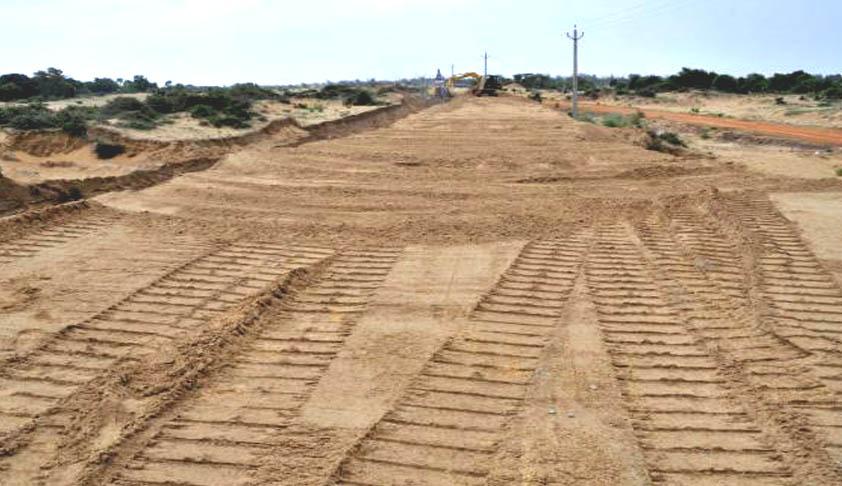
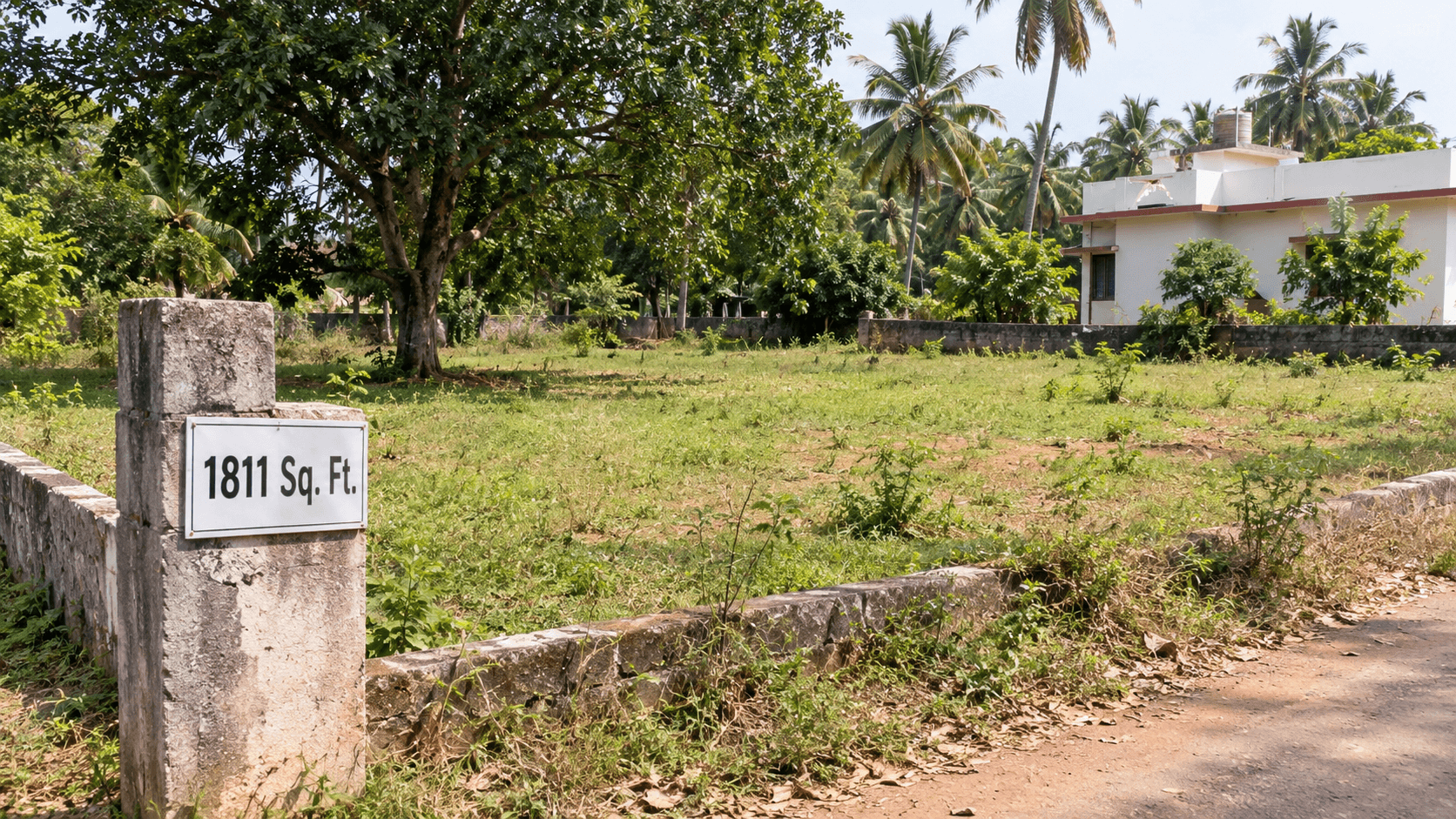
The Court explained that an undivided interest in undeveloped land may remain commercially unproductive for several years and may be exposed to disputes, delays and encroachments. In contrast, a constructed residential property provides tangible ownership, while monetary consideration offers liquidity that can be utilised for the minor's education, healthcare and other needs.
The Court emphasised that the proposed transaction must be assessed from the minor's perspective by comparing its actual benefits and potential risks. The convenience of adult co-owners or the consent of the guardian cannot substitute the court's independent assessment of the child's welfare.
The Court also reiterated that an alienation made by a natural guardian without the permission required under Section 8 is voidable at the instance of the minor, rather than automatically void.
Supreme Court's Decision
Allowing the appeal, the Supreme Court set aside the orders of the District Judge and the High Court and granted permission to proceed with the development agreement.
However, it imposed safeguards, including deposit of the monetary consideration in a nationalised bank with automatic renewal until the minor attains majority. Any modification to the development agreement would require prior court approval. Further, the co-owners must seek the court's permission before selling their shares in the allotted flat while the minor remains a minor.
The Court clarified that the conclusion regarding the benefit of exchanging undeveloped land for a constructed property and cash was based on the particular facts and circumstances and did not constitute a universal rule.
Relevant Extract from the Judgment
"From the perspective of the minor, an undivided share in undeveloped land often remains a notional interest with little immediate utility."
The observation highlights that courts must examine the actual economic and practical benefits of a proposed transaction rather than mechanically treating retention of undeveloped land as necessarily being in the minor's best interests.
Case Details
Case Name: Shephali Chakraborty v. The State of West Bengal
Court: Supreme Court of India
Date of Decision: 3 June 2026
Case Number: Civil Appeal arising out of SLP (Civil) No. 25053 of 2025
Citation: 2026 INSC 621
Coram: Justice Sanjay Karol and Justice Nongmeikapam Kotiswar Singh.