Background of the Case
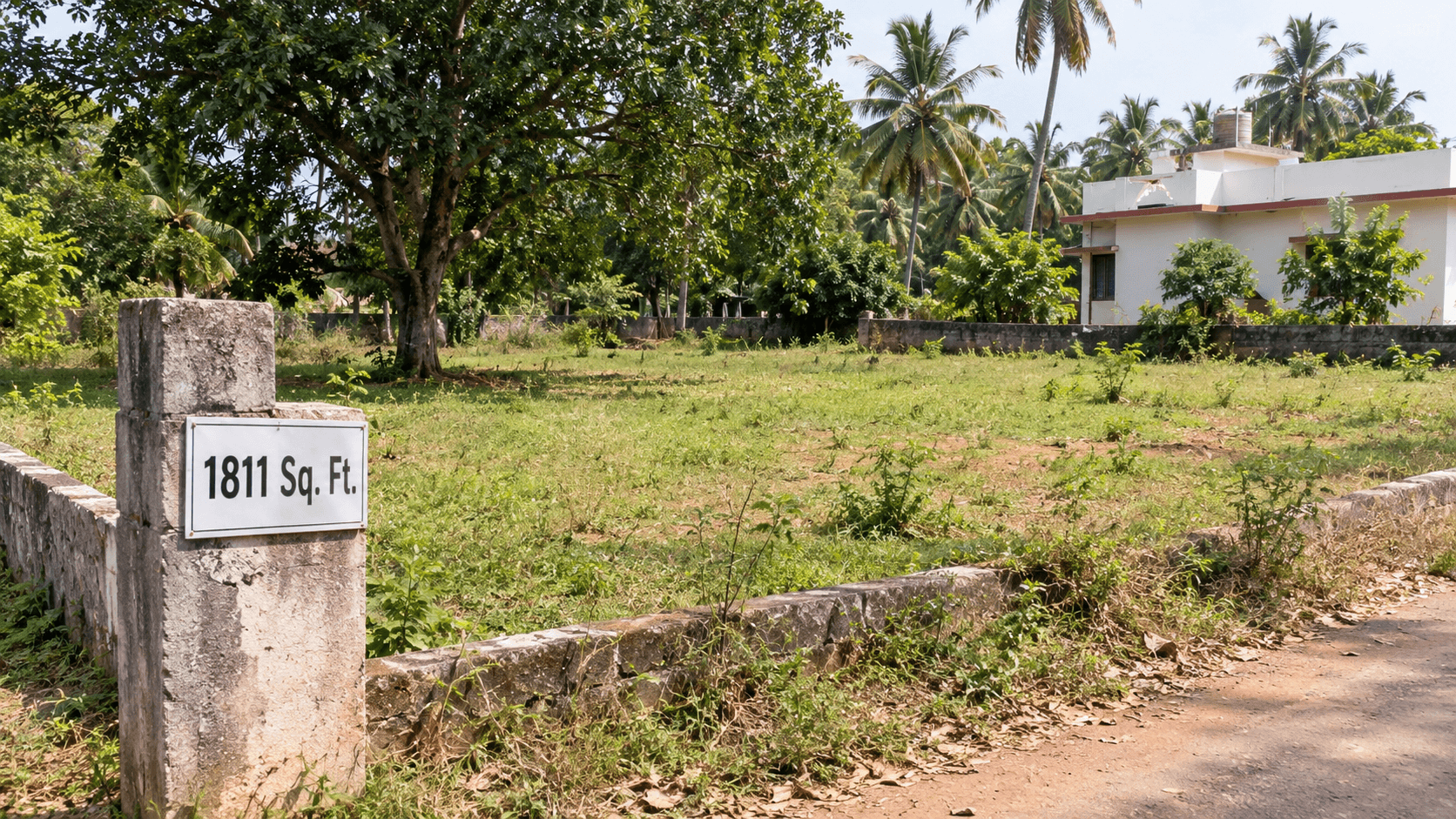
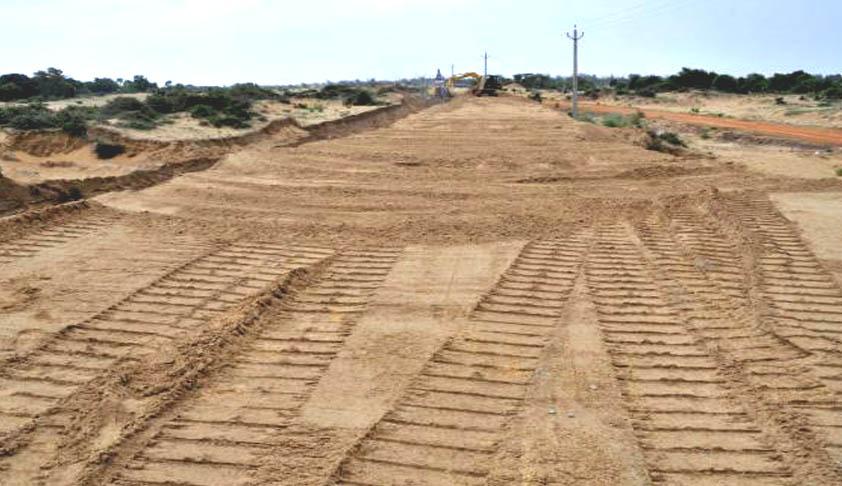
The Supreme Court was dealing with a challenge to land acquisition proceedings initiated by the Odisha Government for a mining project of Dalmia Cements Bharat Limited in the Scheduled Areas of Sundergarh district, Odisha.
The acquisition covered agricultural lands in three villages, namely Kukuda, Bihabandha and Lanjiberna. The Gram Sabhas had unanimously rejected the proposed acquisition through resolutions passed on January 26, 2020. Despite this rejection, the State proceeded with the acquisition and issued notifications under the Right to Fair Compensation and Transparency in Land Acquisition, Rehabilitation and Resettlement Act, 2013 (RFCTLARR Act).
The Orissa High Court had dismissed the villagers' challenge, prompting them to approach the Supreme Court.
Prior Gram Sabha Consent Is Mandatory
The principal issue before the Supreme Court was whether prior consent of the Gram Sabha under Section 41(3) of the RFCTLARR Act was mandatory or merely directory.
The Bench of Justice Dipankar Datta and Justice Satish Chandra Sharma held that Section 41(3) expressly requires prior consent of the concerned Gram Sabha, Panchayat or Autonomous District Council before issuing a land acquisition notification in Scheduled Areas.
The Court rejected the argument that the requirement was merely directory because Section 41(1) uses the expression "as far as possible" and Section 41(2) requires acquisition to be undertaken only as a demonstrable last resort.
The Court observed:
"Therefore, we hold that the requirement of Section 41(3) of the Act is mandatory in nature, and there is nothing to suggest it to be directory or advisory".
80% Consent Required For Acquisition By Private Companies
The Court further held that acquisition undertaken for the exclusive purpose of mining by a private company falls under Section 2(2)(b) of the Act.
Accordingly, prior consent of at least 80% of the affected families must be obtained in the prescribed manner. Such consent must be secured before the Government examines the acquisition proposal under Section 8. Subsequent consent cannot cure non-compliance with this requirement.
Other Defects In The Acquisition Process
The Supreme Court also found that the independence of the Expert Group constituted under Section 7 had been compromised because it included an individual who was an advisor to the company on land acquisition.
Further, the Court found no material establishing that the mandatory public hearing in the Social Impact Assessment process had actually been conducted.
Final Decision
Allowing the appeal, the Supreme Court set aside the Orissa High Court's judgment and quashed the land acquisition proceedings, including the relevant notifications and orders.
However, it clarified that the State Government would remain at liberty to initiate fresh acquisition proceedings in accordance with the law and the directions laid down in the judgment.
Case Details
Case Name: Bibol Toppo & Ors. v. State of Odisha & Ors.
Court: Supreme Court of India
Date of Decision: 18 November 2026
Case Number: Civil Appeal No. 8294 of 2026
Coram/Judges: Justice Dipankar Datta and Justice Satish Chandra Sharma